Tile Roof Expertise
Riverside's Climate Was Made for Tile Roofs
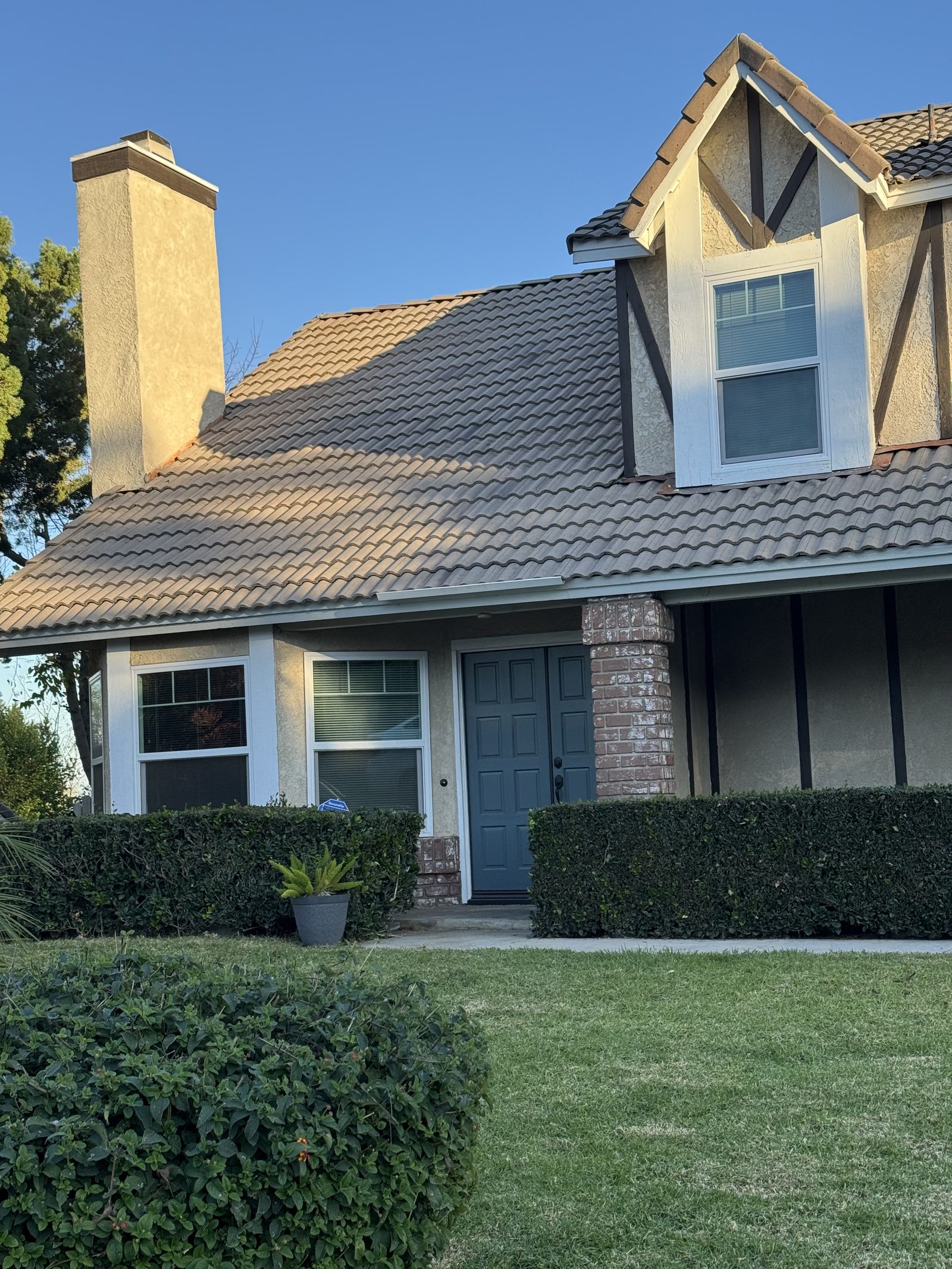
Tile roofing has defined Southern California architecture for generations, and for reasons that go far beyond aesthetics. A properly installed tile roof handles Riverside's 100-degree summers, sporadic heavy rains, and Santa Ana winds better than virtually any other roofing material. The natural thermal mass of clay and concrete tile keeps attic temperatures significantly lower than asphalt shingles, cutting cooling costs throughout the brutal Inland Empire summers.
But a tile roof is only as reliable as the system beneath the tile. Gary has spent 35 years learning the hard truth that most tile roof failures have nothing to do with the tile itself. The underlayment degrades. The battens deteriorate. Flashing corrodes around valleys and penetrations. The tile sits there looking perfect while water sneaks underneath and rots the deck. That is why every tile project Gary takes on starts with what is hidden, not what is visible.
Clay Tile
Authentic clay tiles carry a distinct character that concrete simply cannot replicate. They are denser, more fade-resistant, and have a documented lifespan that regularly exceeds 75 years when properly maintained. Gary installs mission barrel, flat profile, and S-shaped clay tiles sourced from manufacturers who fire at temperatures high enough to ensure the tile withstands freeze-thaw cycling and the extreme UV exposure common across the Inland Empire. Clay tile costs more upfront, but the total cost of ownership over a 50-year window often comes in below asphalt shingles that need replacement every 20 years.
Concrete Tile
Concrete tile offers the look of clay at a lower material cost while still delivering exceptional durability against Riverside's weather patterns. Modern concrete tiles are available in flat, low-profile, and high-profile shapes that replicate traditional clay silhouettes closely. Gary recommends concrete tile for homeowners who want tile aesthetics and performance without the premium clay price point. Concrete tiles weigh approximately the same as clay, so the structural requirements are identical.
Underlayment: The Real Protector
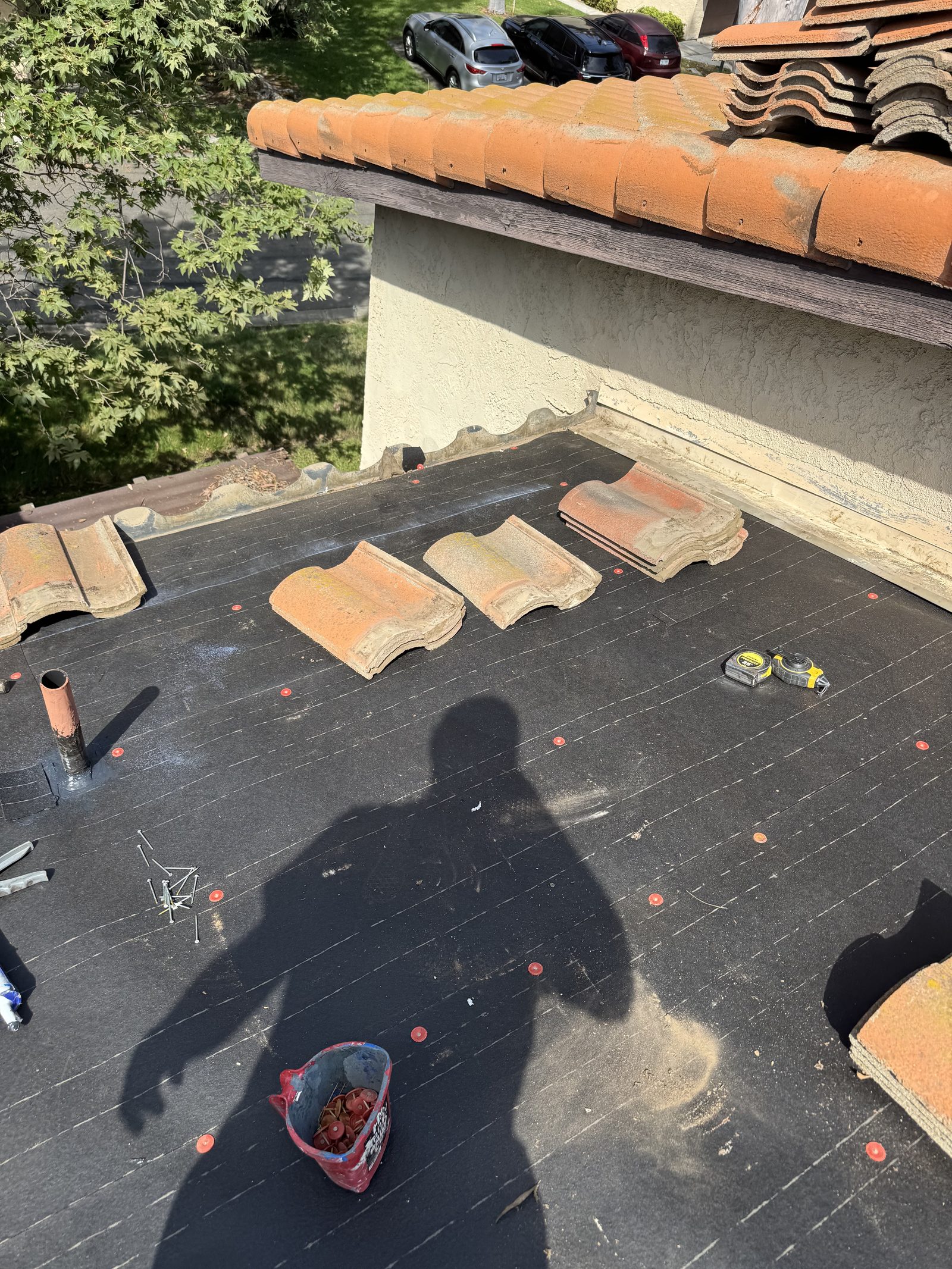
Gary considers the underlayment the most critical component of any tile roof system. Tile is not inherently waterproof; it sheds the bulk of water, but wind-driven rain and condensation still reach the layer beneath. Gary uses heavy-duty synthetic underlayment or a two-layer hot-mopped system on every tile installation. He has replaced too many tile roofs where the tiles were still in perfect condition but the cheap 30-pound felt underneath had disintegrated after 15 years, leaving the deck exposed and rotting.
Repair vs. Full Relay
One of the most common decisions tile roof owners face is whether to repair individual broken tiles or commit to a full relay. In a relay, every tile is removed, the old underlayment is stripped, new underlayment and battens are installed, and the original tiles are re-set. Gary walks homeowners through this decision honestly. If the tiles are in good shape but the underlayment is failing, a relay preserves the tiles you already own and gives you a functionally new roof at roughly half the cost of all-new material.
Weight Considerations
Tile roofs weigh between 600 and 1,100 pounds per square (100 square feet), depending on the profile and material. This is three to five times heavier than asphalt shingles. Gary always verifies that the existing roof framing can support tile weight before quoting a tile installation. On older homes that were originally shingled, this may mean reinforcing rafters or adding collar ties. He includes any structural work in his estimate upfront so there are no surprise costs mid-project.