Attic & Roof Ventilation
Most Riverside Homes Are Under-Ventilated. The Damage Happens Where You Never Look.
Building code requires 1 square foot of net free ventilation area for every 150 square feet of attic floor. Most homes built before 2000 in the Inland Empire fall short of that number. The result is an attic that functions like an oven: superheated air with nowhere to go, baking your shingles from below and forcing your air conditioner to work overtime against a ceiling radiating stored heat.
Gary has climbed into thousands of Riverside attics. The pattern is always the same. Inadequate soffit intake, blocked or missing ridge vents, and sometimes the original builder installed vents that look correct from the outside but are sealed behind drywall or insulation on the inside. A ventilation assessment from Thompson Roofing identifies exactly what your attic needs and eliminates the guesswork.
Ridge Vents
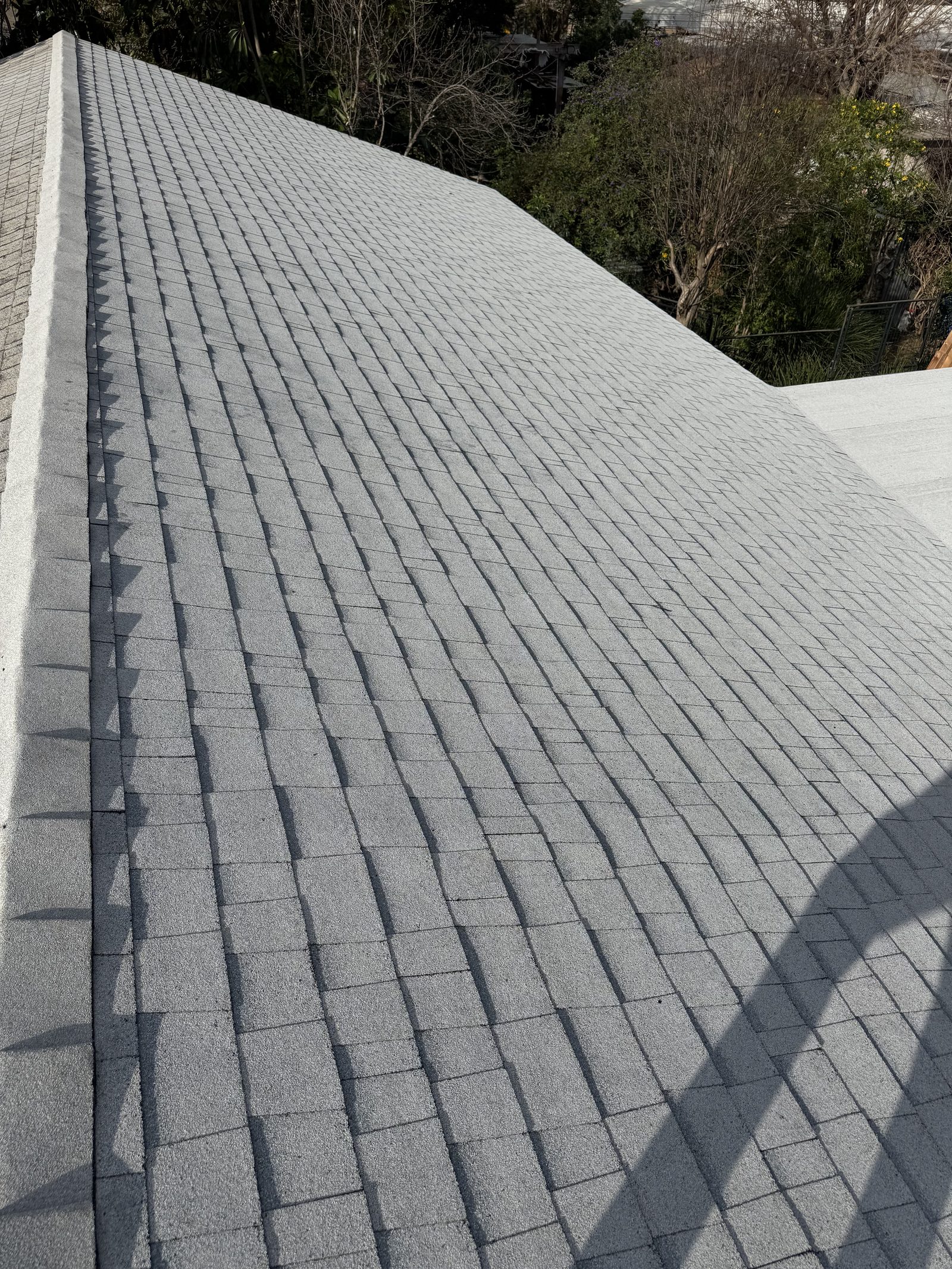
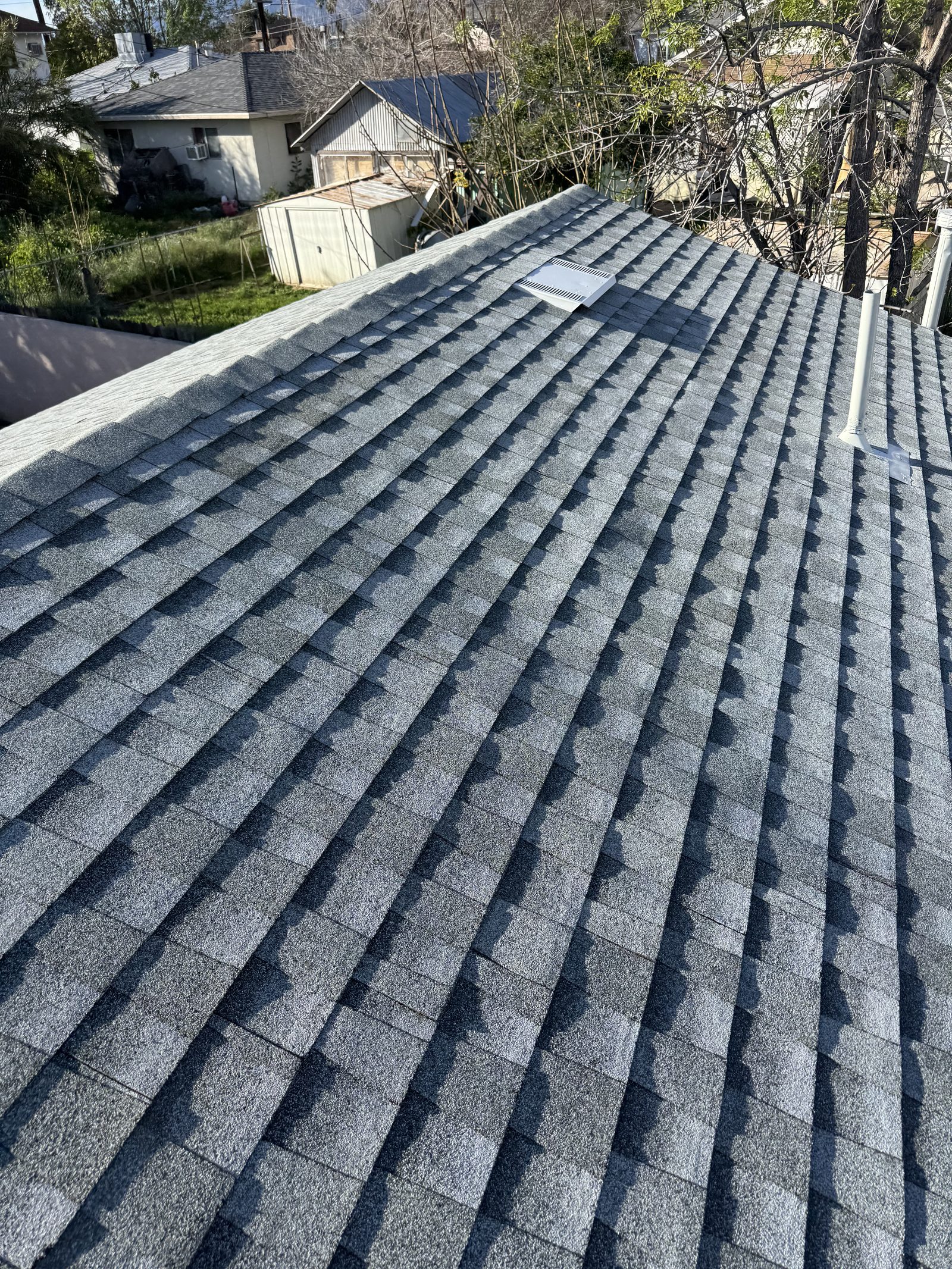
Ridge vents run along the peak of your roof, allowing the hottest air to escape at the highest point. They are nearly invisible from the ground and create continuous exhaust across the entire ridgeline. For most pitched roofs in Riverside, ridge vents are the most effective exhaust solution because they distribute airflow evenly instead of concentrating it at a few spots.
Soffit Vents
Intake vents at the eaves pull cooler outside air into the bottom of the attic. Without adequate soffit intake, ridge vents and fans cannot draw air through the attic space. Gary checks every soffit vent to make sure it is not blocked by insulation, paint, or debris. In many older homes, the original soffit vents were small circular plugs that provide a fraction of the airflow needed for modern standards.
Attic Fans & Solar Ventilators
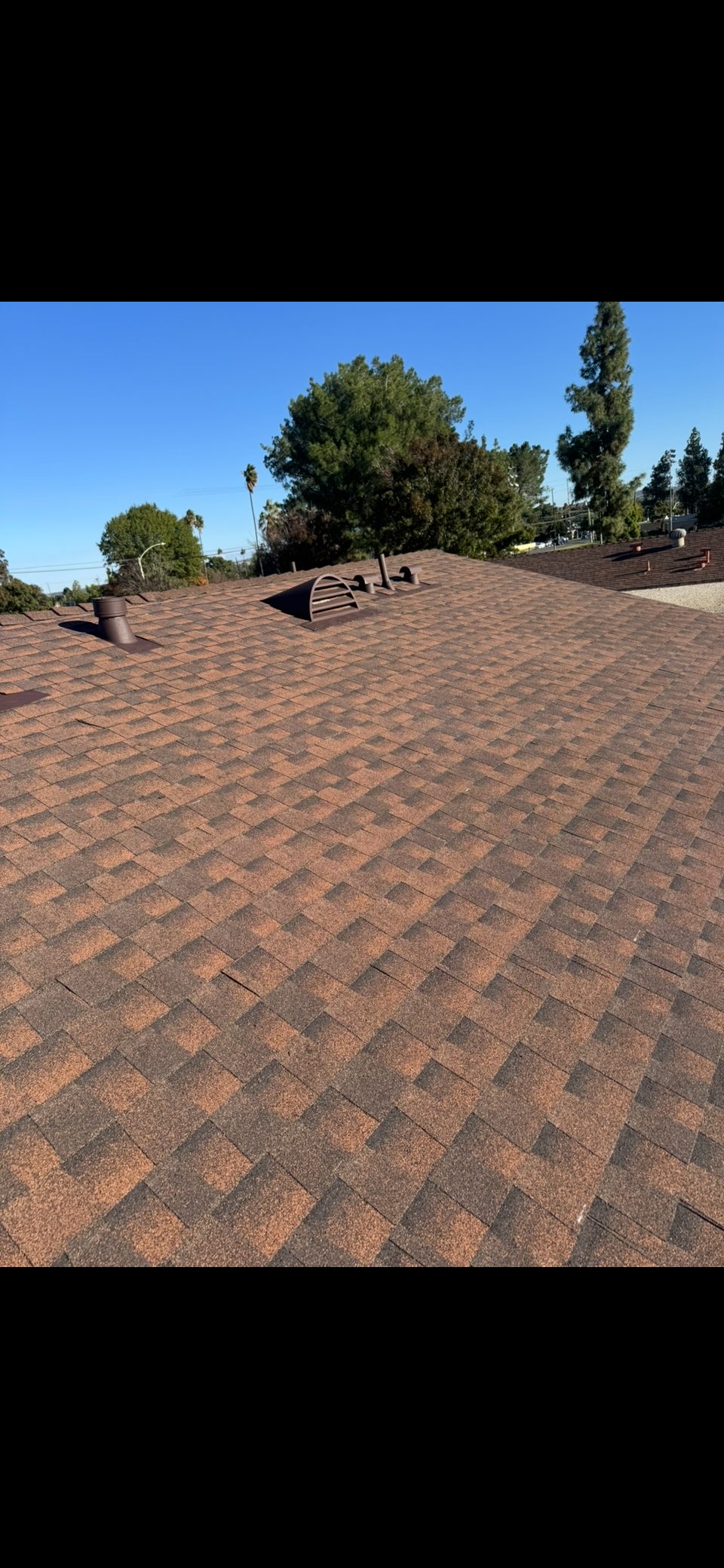
Powered attic fans and solar-powered ventilators provide active exhaust for homes where passive ventilation alone cannot keep up. Solar-powered models are especially practical in Riverside because there is no shortage of sun to drive them. They are ideal for hip roofs, complex rooflines, and attics that lack adequate ridge length for passive venting.
Energy Efficiency & SoCal Heat
In Southern California's climate, a properly ventilated attic can reduce cooling costs noticeably. When trapped heat radiates through your ceiling into living spaces, your AC runs longer and harder to compensate. Ventilation breaks that cycle. It also extends shingle life by reducing the temperature differential that causes premature granule loss and curling from the underside.